PNB Holdings PNB Makati Center

Building for the long term

PNB Holdings' approach to sustainable real estate

Sustainability in real estate is no longer defined by a single green initiative. Increasingly, it influences decisions on how buildings are powered, maintained, upgraded, and operated throughout their life cycle.

The challenge now of property owners involves not only on constructing new developments, but also ensuring that existing assets remain efficient, resilient, and relevant amidst the fast-changing environmental and market demands.

PNB Holdings Corporation (PHC), the real estate arm of LT Group, is applying this approach across a portfolio of strategically located properties in Metro Manila. These include the PNB Financial Center at the Manila Bay area in Pasay City, the PNB Makati Center along Ayala Avenue, as well as a prime 8,000-square-meter property along the Buendia-Paseo de Roxas corridor.

Backed by a strong first-half 2026 performance, the company continues to invest in initiatives aimed at improving the efficiency, resilience, and long-term relevance of its assets.

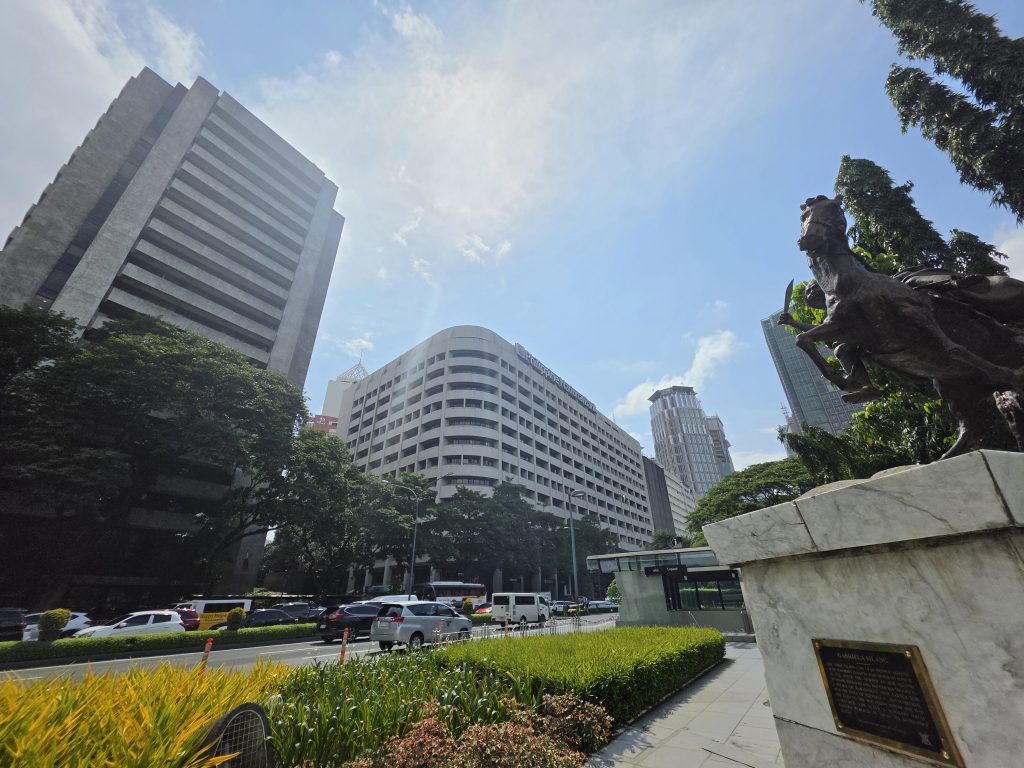
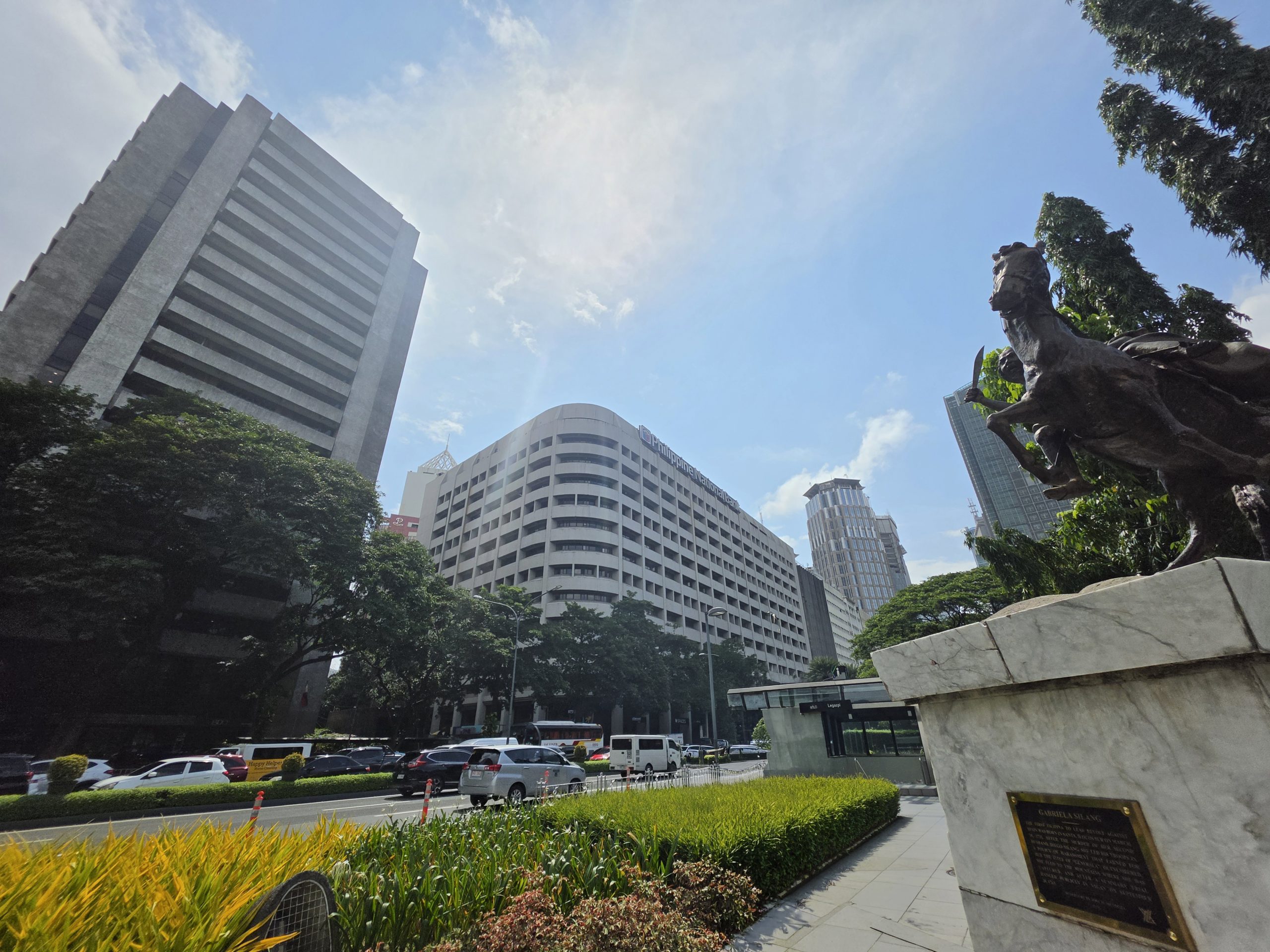
PNB Holdings PNB Makati Center
PNB Makati Center on Ayala Avenue is among PNB Holdings' strategically positioned Metro Manila properties. Backed by a strong first-half 2026 performance, the company continues to invest in initiatives aimed at improving the efficiency, resilience, and long-term relevance of its assets.

Cleaner energy for key properties

PNB Holdings has now transitioned the power source of PNB Financial Center in Pasay City and PNB Makati Center on Ayala Avenue to 100% renewable electricity through a partnership with First Gen. More than five megawatts of geothermal power from the Tongonan facility in Leyte supports the energy requirements of the two flagship properties.

The shift reduces reliance on fossil fuel-based electricity across two major commercial assets in Metro Manila and adds renewable energy to a growing list of sustainability measures across its portfolio. It also comes amid rising demand for buildings that can deliver stronger environmental performance alongside long-term operational efficiency.

Further strengthening its push for sustainability, it has embedded energy efficiency measures into daily building operations. Equipment such as pumps, elevators, and chillers are now scheduled based on real occupancy, reducing wasted electricity. The company has also upgraded core systems with LED lighting and inverter-type technologies.

Encouraging a culture of responsible waste management

Waste management is another area where the company has applied technology to strengthen sustainability across its properties.

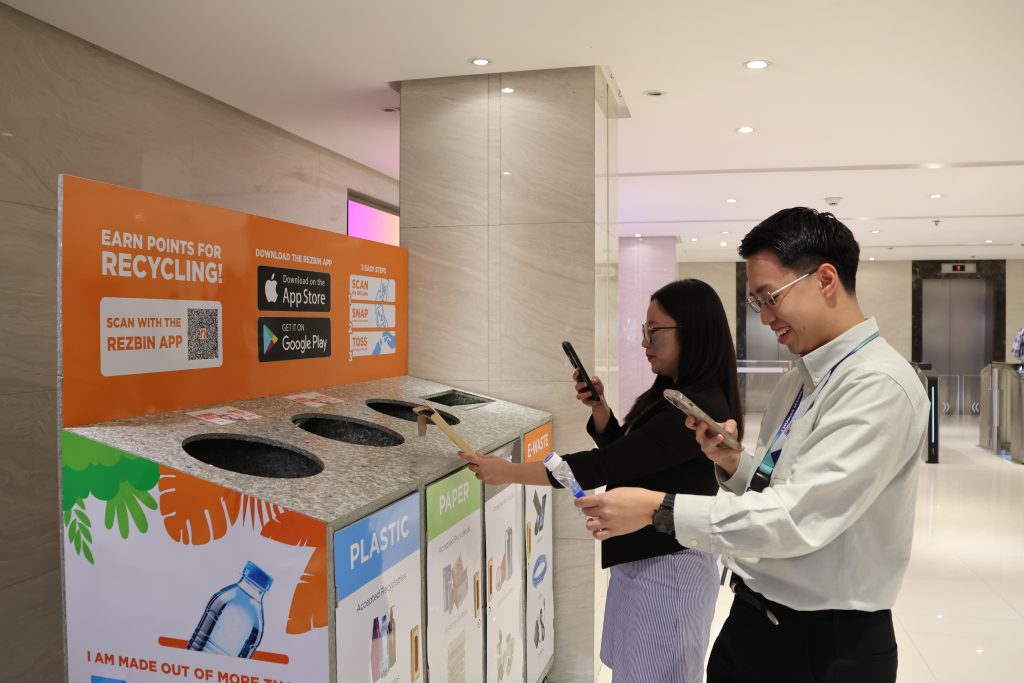
It introduced EcoStation, a behavior-driven waste recycling program with Rezbin, a multi-award-winning technology-enabled waste management company. Designed and tailored around the waste materials commonly generated across its properties, the program broadens recycling opportunities beyond traditional categories such as plastic, paper, metal, and e-waste. The system aims to make responsible waste disposal more accessible, measurable, and relevant to the needs of building occupants.

Since the launch of tech-enabled waste recycling program EcoStation, it has diverted more than 32,100 recyclable deposits from landfills.

EcoStation incorporates an incentive-based approach that encourages greater participation in waste segregation. Through a rewards system, its tenants are encouraged to dispose of recyclables properly and adopt more sustainable habits in their daily routines. In doing so, the program helps turn waste management from a compliance-driven activity into a more engaging and accessible part of the workplace experience.

Since its launch in 2025, the program has diverted more than 32,100 recyclable deposits from landfills.

Closing the loop on water reuse

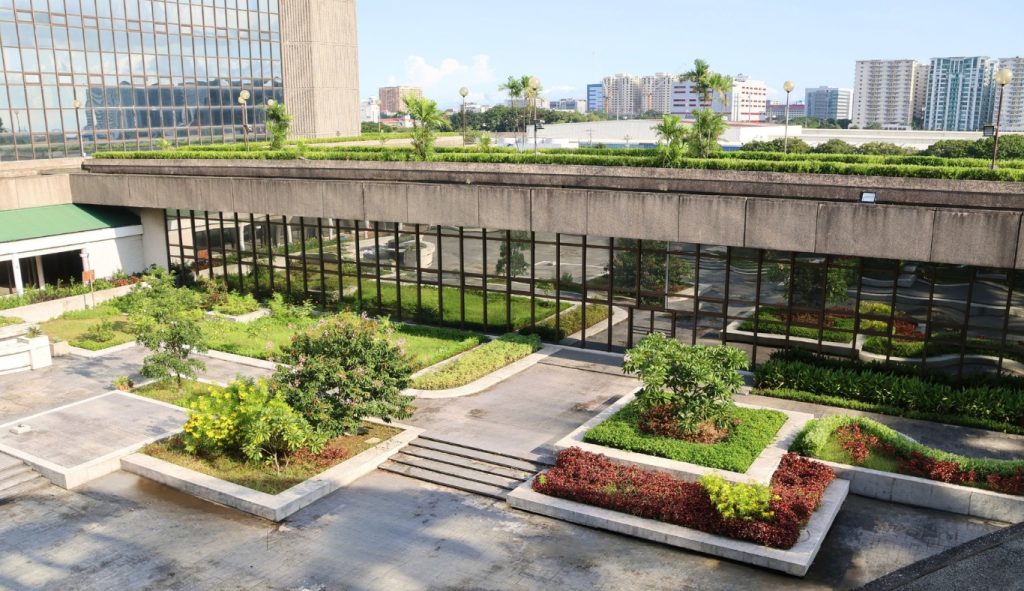
Beyond energy and waste management, the company has integrated water efficiency measures into its operations. At its largest asset, the 10-hectare property at the Manila Bay area, PNB Financial Center, treated wastewater is reused for landscape maintenance and other non-potable applications, reducing freshwater consumption and easing dependence on municipal water sources.

The system supports more efficient resource management while strengthening the property’s resilience amid increasing pressure on urban water resources.

PNB Financial Center reuses treated wastewater for landscape maintenance and other non-potable applications, helping reduce freshwater consumption.

Building sustainability through adaptive reuse

Some of its sustainability efforts can be found not in how its buildings operate, but in how they are renewed.

The company’s approach centers on adaptive reuse—a development philosophy that prioritizes targeted upgrades while retaining structural integrity and architectural identity. Rather than demolition, which wastes embodied carbon already invested in existing structures and generates construction waste, it has chosen to reimagine existing spaces for contemporary use.

Among the most visible examples is PNB Makati Center. Designed by renowned Filipino architect Carlos Arguelles, the property has undergone various repositioning in recent years. What was once a traditional office building now accommodates a mix of corporate offices, co-working spaces, and carefully selected lifestyle concepts.

For PNB Financial Center, designed by acclaimed architect Gabriel Formoso, the redevelopment preserved the building’s defining architectural features, including its expansive floor plates, soaring ceilings, and open interiors. Once home to banking halls and ticketing operations that served generations of clients, these spaces are taking on a new role within the property.

Portions of the building have been reimagined as premium event venues, where the scale and openness of the original design provide a distinctive backdrop for corporate gatherings, cultural events, and private functions. Rather than competing with newer developments through extensive reconstruction, the property draws on the strengths of its existing architecture to create experiences that are both contemporary and rooted in its history.


Once home to banking halls and ticketing operations that served generations of clients, The Grand Atrium is now utilized as an event space after being reimagined through adaptive reuse.

While sustainability is often viewed through the lens of innovation, it is equally shaped by how existing assets are managed, renewed, and reimagined over time.

Across its portfolio, PNB Holdings has pursued initiatives ranging from renewable energy and water reuse to waste management and adaptive reuse. The projects have been rolled out across some of its largest property assets, part of a portfolio recently appraised at ₱80.9 billion, where sustainability is increasingly tied not only to environmental performance, but also to how assets are maintained and adapted over time.

Tags

Comments are closed